The bar no longer feeds the club: in seven years the revenue structure of Berlin venues has flipped
In 2017 sixty per cent of turnover came from the bar and twenty-one from the door. Now it is the other way round. The first big survey of the Berlin scene since 2019 shows full floors and empty tills.
Clubcommission Berlin, together with the city's economics department, has published "Clubkultur Berlin 2026" — the first major review of the Berlin club scene since 2019. The headline finding: demand has not gone anywhere, but the business model has turned over.
This was announced by Clubcommission.
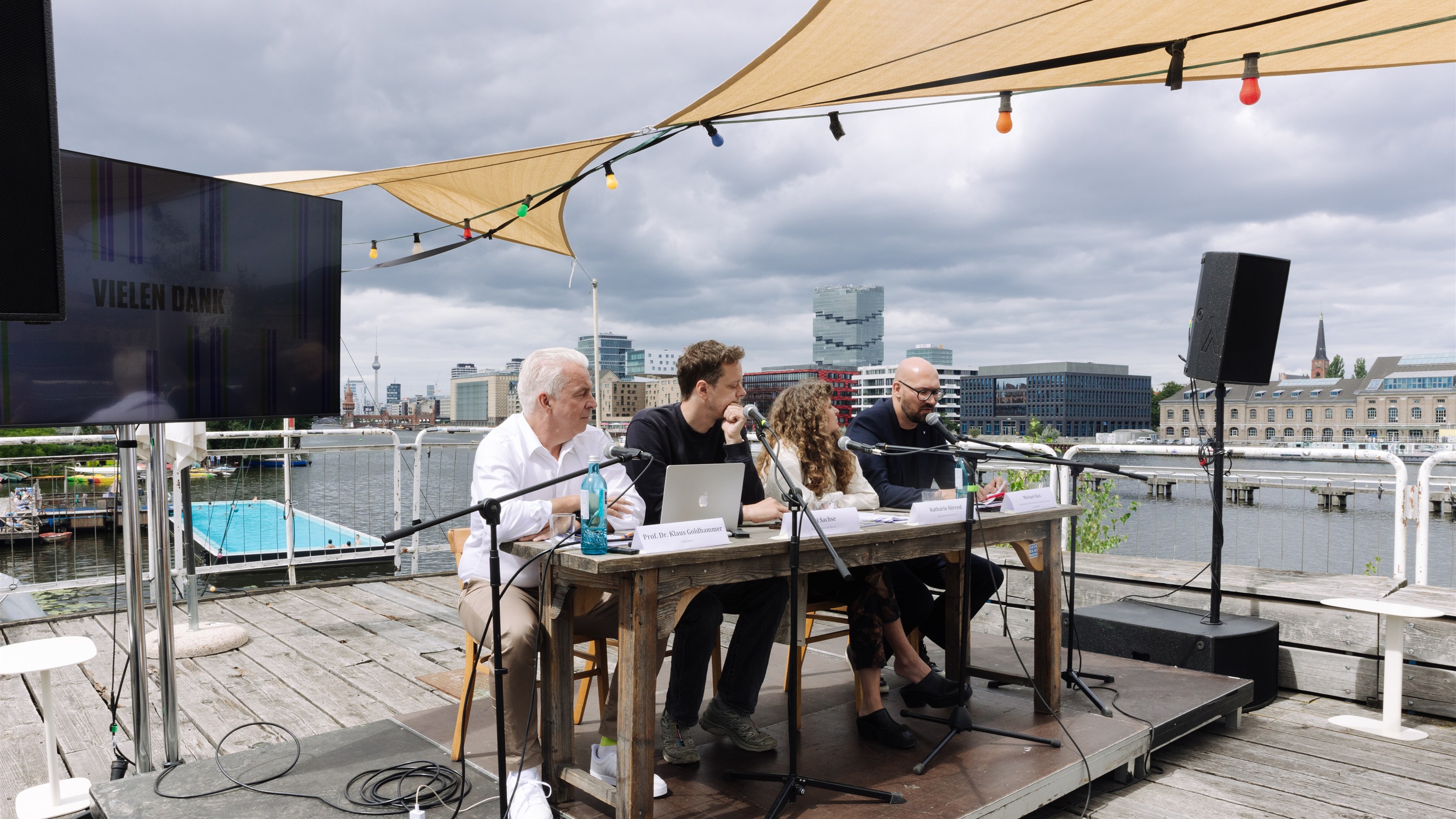
The study was presented on 7 August aboard the ship Hoppetosse. The figures come from the quantitative part, for which club operators and event organisers were surveyed.
What exactly flipped
In 2017 around sixty per cent of income came from food and drink, with the door accounting for just twenty-one per cent. Now the ratio is reversed: the door brings in fifty-nine per cent, the bar twenty.
Behind that sits a change in how audiences behave: seventy-three per cent of respondents observe falling alcohol consumption, sixty a rise in non-alcoholic drinks, and fifty-seven shorter stays. The bar, which used to cross-subsidise the cultural side, has stopped doing so, and the whole load has shifted onto the ticket.
"People are not going out less. They are consuming differently," Clubcommission says.
Floors full, tills not
Eighty-three per cent of the venues surveyed report at least fifty per cent occupancy, and a third more than seventy-five. That barely shows up in the finances: where in 2017 seventy-nine per cent at least broke even, in 2025 it is sixty-one.
The heaviest pressures named are staff costs, operating costs, the falling purchasing power of the audience and rent. Eighty-five per cent admit that economic pressure is already changing their programme — which makes this a question not only of survival but of what music a venue can still afford to book.
As reported earlier by ONE//FM, London's fabric marked twenty-seven years with a thirty-hour marathon — the institutions hold on, but at a steadily rising cost.
Read also

The voice behind "Gabriel" rang the hospital bell: Peven Everett has finished treatment for stage 4 cancer

Fifteen years under the name — and only now a debut album: Melé took the title from a Wu-Tang line

899 zloty for four days — but only for subscribers: Open'er opens sales for 2027

A thousand hours of music over ten years: Defected has closed its Croatian festival for good
Neil Tennant returns to his home town: a Pet Shop Boys double feature in Newcastle with a live Q&A

Spotify will label artists whose name and face were generated by AI — and keep them out of recommendations
17,000 guests, 20 weddings and the 15 minutes everyone argued about: how Vyrii. Prostoneba went

He hid his face under a robot helmet for twenty years: Daft Punk’s co-founder explains why AI does not interest him

Comments
Loading…