
The dancers brought the flyers themselves: Liverpool has opened an exhibition on twenty years of city raves
The city assembled its club memory from private archives.
‘Rave On’, an exhibition about the city’s club culture in the ’80s and ’90s, opened at the Open Eye Gallery in Liverpool. It was billed as a celebration of the legacy of rave culture in Liverpool and opened on 6 February in the gallery’s Atrium Space and ran until mid-March.
Mixmag reported on it.
Collected from the participants’ own hands
The curator is the writer, curator and DJ Ezra McConachie, with support from the Museum of Youth Culture. The rooms hold photography, memorabilia, flyers and film spanning two decades, from the acid house era to what the organisers call “legendary nights in Quadrant Park”.
Some of the material came not from archives but from the people themselves: a year earlier an open call went out, and punters brought their own pictures. Alongside them hangs the work of Liverpool scene photographer Mark McNulty.
“From early house records played at The State, Bold Street back rooms, Sefton Park raves and the very first Earthbeat,” says McConachie. “Rave On uplifts the stories, emotions and memories of a whole generation of people who lived through this period.”
From 1987 to 1999
The exhibition covers 1987 to 1999 and stresses the importance of youth culture to the city, and of the cultural movement that grew alongside the scene.
A separate part of ‘Rave On’ is the film ‘One Day At A Time Boys’, made by McConachie together with Sam Batley: in it, residents of an addiction recovery facility describe what Liverpool’s rave scene meant to them.
“Club culture is something in many ways which lives beyond the boundary of what can be preserved or documented, and yet is so formative and to many, an essential outlet for the body and mind,” says assistant curator Bronwyn Andrews.
Entry to ‘Rave On’ was free: the gallery at 19 Mann Island opened Tuesday to Sunday, 10am to 5pm. The atrium display ran until 5 March, after which it moved to the Digital Window, while the work on the gallery’s external walls stayed up until 17 March.
Read also
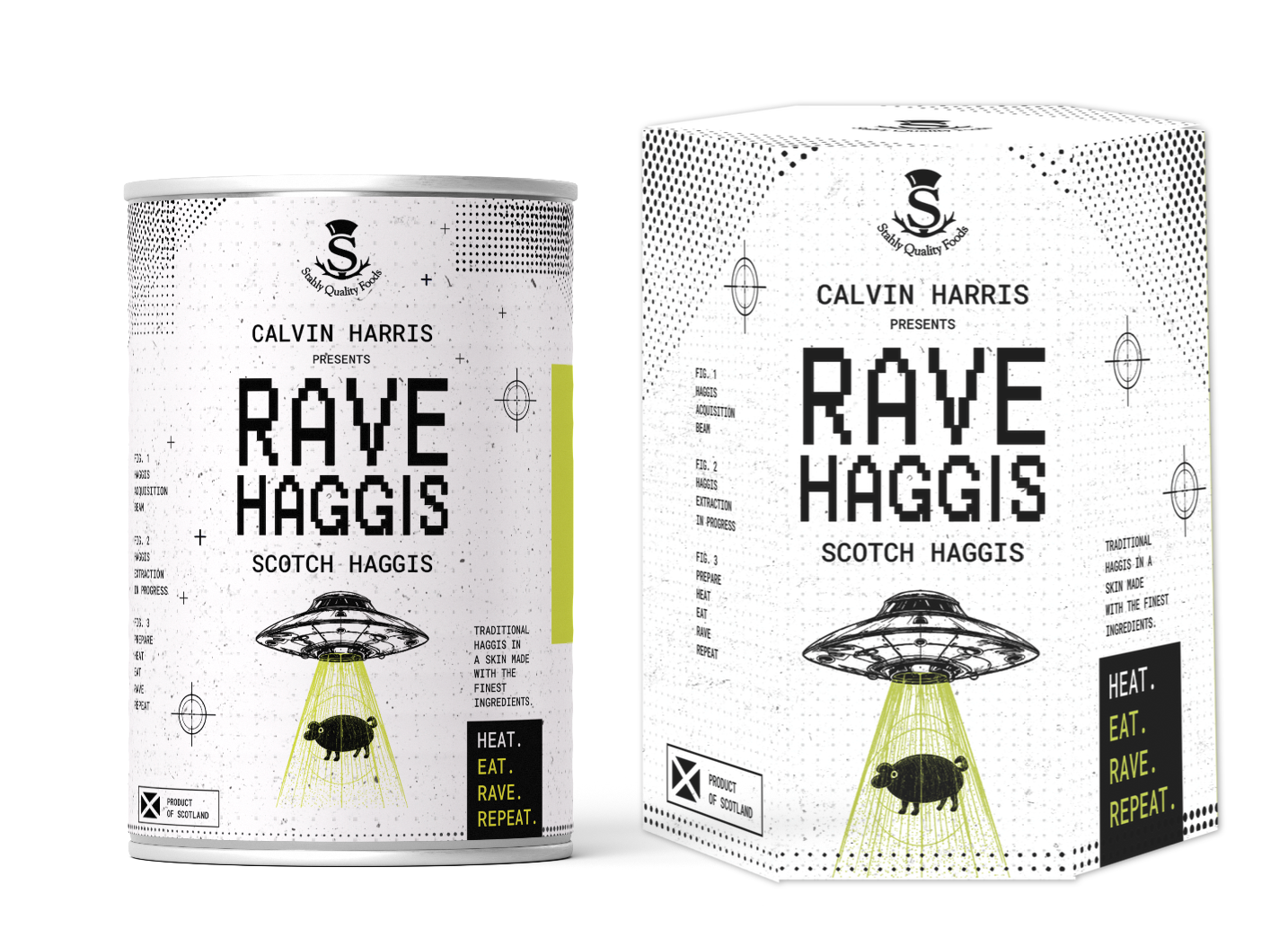
Calvin Harris has released his own haggis — the tin has a flying saucer abducting a sheep

Forty- and fifty-somethings are filling the dancefloors — and club culture is ceasing to be a youth culture

Belfast is opening its first audiophile bar — with a sound system built to order

Honey Dijon built a night at Tate Modern — with club polaroids and a zine workshop

The mural comes alive the moment you point your phone at it: Hï Ibiza has opened a contemporary art gallery inside the club

He hid his face under a robot helmet for twenty years: Daft Punk’s co-founder explains why AI does not interest him

He closed the Tomorrowland Mainstage alone — and dedicated the set to the brother who was not there
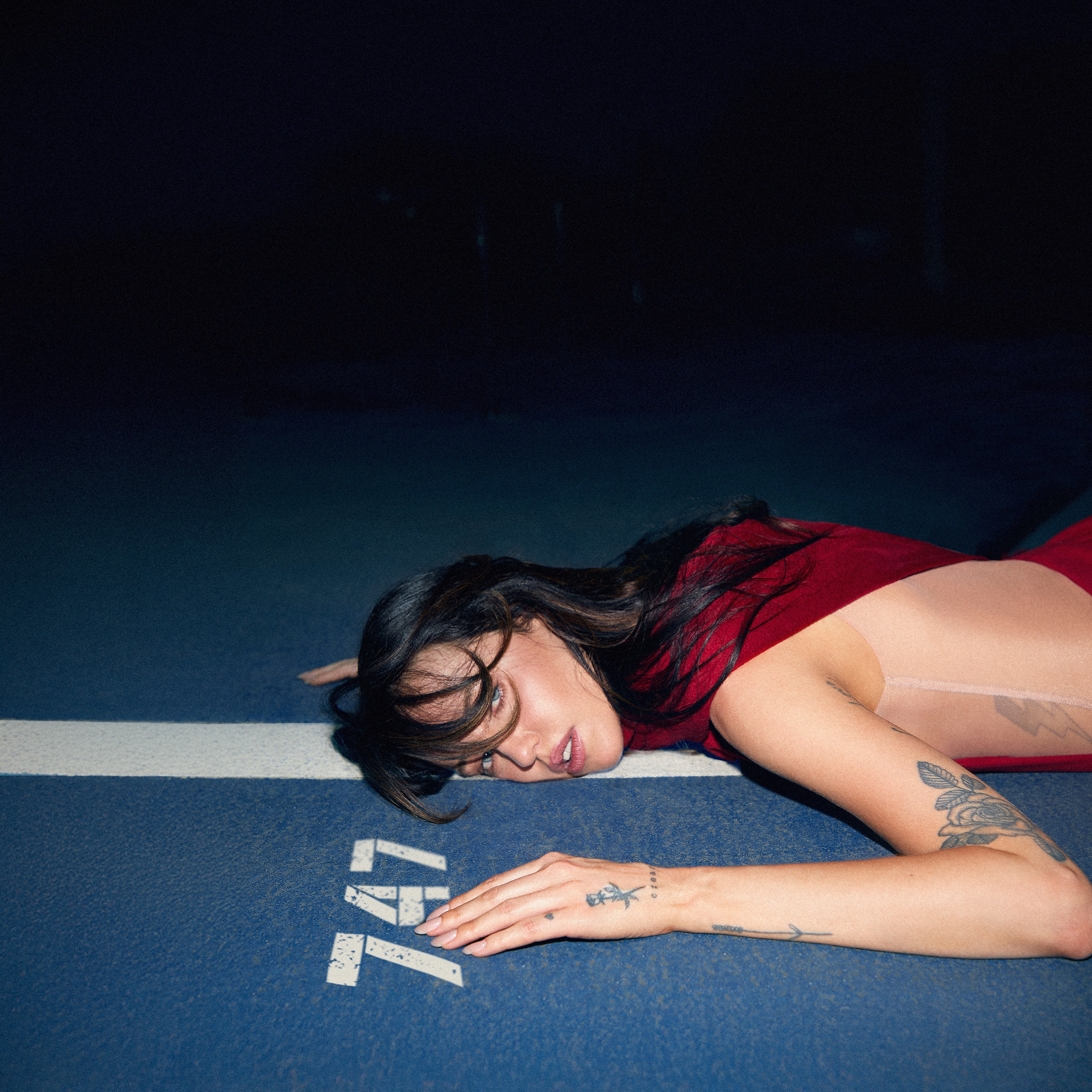
DOROFEEVA counted down the steps to the premiere on her own channel — and released ‘747’
Comments
Loading…